Hydroxypropyl Cellulose (HPC)
Certified as a safe food additive (E463), HPC is used to improve the texture and stability of modern food products.
Stabilizer & Emulsifier: Prevents separation in complex liquid formulations.
Supplements: Ideal for binding natural materials in high-drug-load nutraceuticals, allowing for smaller, easier-to-swallow tablets.
Food & Nutrition (Food Grade)

Pharmaceuticals & Nutraceuticals
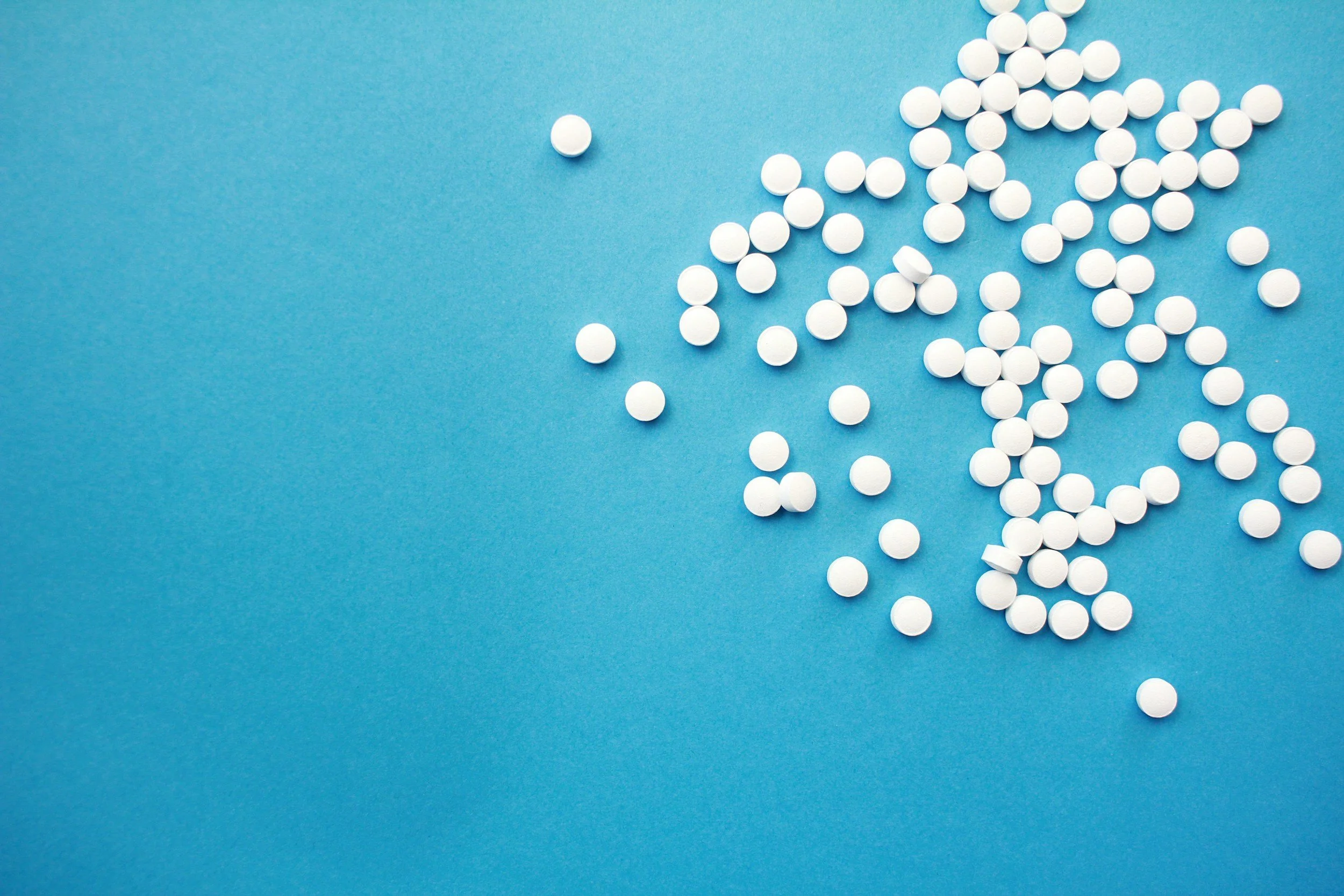
HPC is a premier excipient for solid oral dosage forms due to its exceptional binding strength and flexibility.
High-Efficiency Binder: Used in wet/dry granulation and direct compression (2–6% dosage) to achieve superior tablet hardness even at low concentrations.
Film Coating: Provides flexible, elegant coatings for tablets and pellets, improving adhesion and reducing moisture sensitivity.
Sustained Release: High-viscosity grades act as skeleton materials for controlled-release preparations (15–35% dosage).
Topical & Ophthalmic: Utilized in transdermal patches and as a lubricant in artificial tears/eye drops.
Technical & Industrial Applications

Beyond life sciences, HPC’s unique solubility and thermal properties make it invaluable in advanced manufacturing.
Ceramics: Acts as a high-purity binder that burns off cleanly during firing.
3D Printing: Used as a polymer carrier in advanced 3D-printed pharmaceutical and industrial materials.
Consolidant: Trusted in book and leather conservation for its penetrating and strengthening properties.
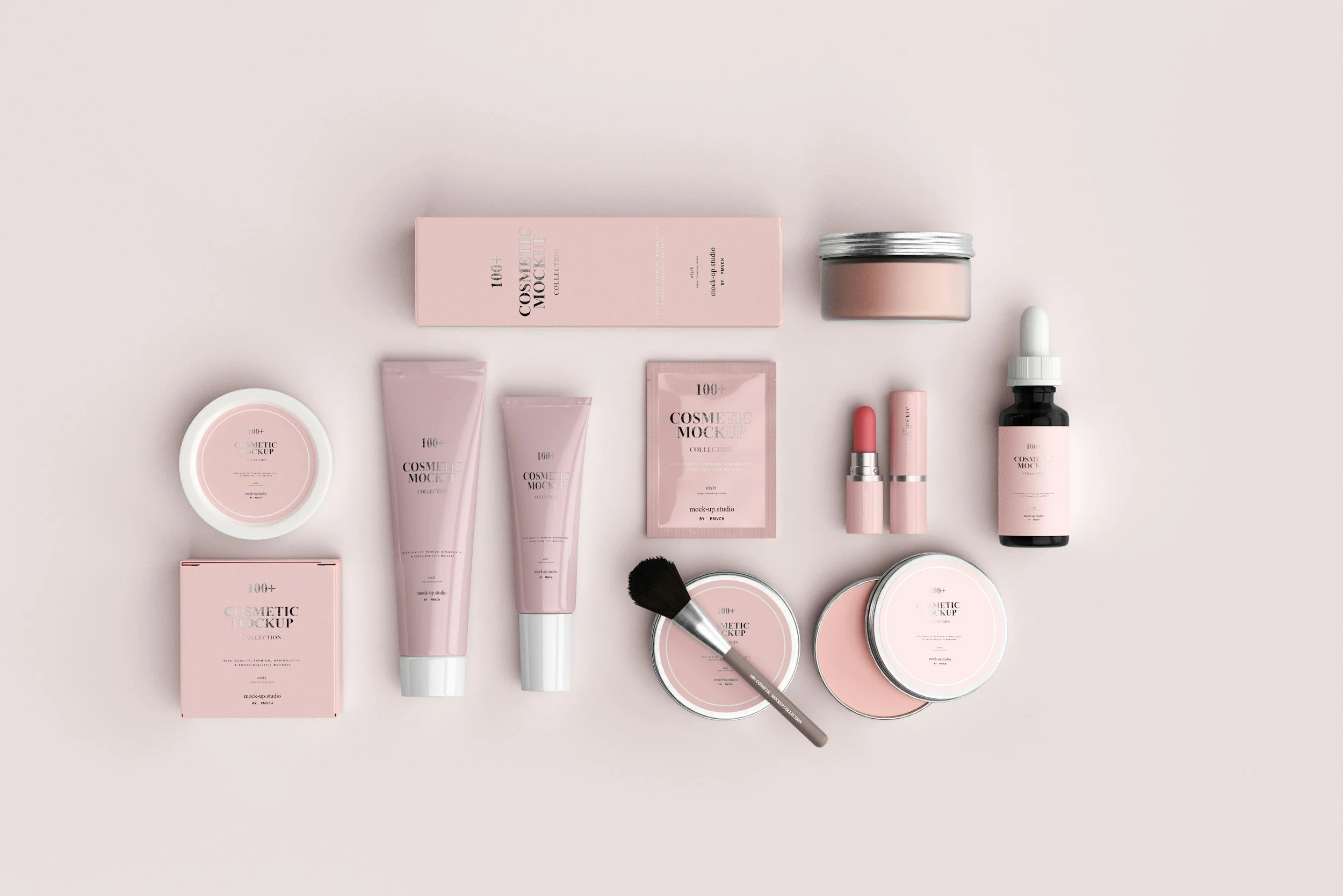
HPC’s ability to form clear, stable films and provide non-greasy thickening makes it a staple in high-end cosmetic formulations.
Lotion & Shampoos: Acts as a thickening agent and stabilizer.
Hair Styling: Provides flexible hold and film formation in sprays and gels.
Cosmetics & Personal Care